The Old Retro Stamp Font for Digital Branding
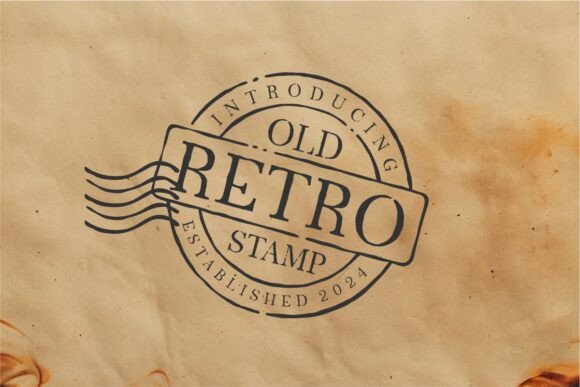
As a web designer, selecting a typeface isn't just about aesthetics; it's a foundational decision affecting usability, brand perception, and conversion. Old Retro Stamp enters this space as a distinct handcrafted font, offering a specific personality that can elevate digital projects seeking a vintage, authentic charm.
Visual Character and Digital Personality
Old Retro Stamp is a script font with a handwritten style. Its strokes mimic the imperfect, deliberate pressure of a physical stamp or ink pen, creating a texture of nostalgia. This isn't a generic script; its retro vibe suggests craftsmanship, history, and a personal touch. In a digital environment saturated with sleek, geometric sans-serifs, this font immediately establishes a different tone—one of warmth, authenticity, and creative individuality.
For a web designer, this personality is a tool. It communicates before the user reads a single word. Applied correctly, it can make a boutique online store feel curated, a creative portfolio feel personal, or a coaching website feel approachable and human-centric.
Strategic Application in Web Layouts
The key to using a display font like Old Retro Stamp is restraint and strategic placement. Its strength lies in drawing attention and setting a mood, not in carrying long blocks of text.
Hero Sections and Headline Dominance
This font excels in hero titles and main page headers. On a landing page for a vintage-inspired product or a course on traditional crafts, using Old Retro Stamp for the primary headline creates an immediate, emotional connection. It frames the entire page's narrative. The handwritten style acts as a visual anchor, making the section feel less like a generic template and more like a bespoke, branded entry point.
Brand Accents and Conversion Touchpoints
Beyond headlines, consider Old Retro Stamp for key conversion-focused elements. A call-to-action button phrase like "Join the Workshop" or "Get the Kit" gains a tactile, inviting quality when styled with this font. In blog graphics or digital ads for a retro-themed brand, using it for the main quote or offer increases memorability. It’s also potent for logo text on portfolio sites or for section headings on a product sales page, where it can break the visual rhythm of more neutral body fonts and reinject brand personality at strategic intervals.
Supporting Typography and Digital Readability
Old Retro Stamp is a display font, meaning it is best used for short phrases, headings, and accents. For body copy, paragraph text, and detailed UI elements, you must pair it with a highly legible web font. A clean, simple sans-serif is the most practical partner, providing a neutral reading base that allows the decorative script to shine without compromising usability. For a more editorial digital identity, a classic serif font could also pair well, deepening the vintage theme while maintaining clear readability for long-form content.
Technical Considerations for Web Implementation
Before integrating Old Retro Stamp into a live website, practical checks are essential.
- Webfont Availability: Ensure the font is available in standard webfont formats like WOFF2 for optimal performance and cross-browser compatibility.
- Legibility on Small Screens: Test its readability on mobile devices. At smaller sizes, intricate script details can blur or become noisy. Use it at sufficient sizes in responsive layouts, and avoid applying it to small button text or fine UI labels.
- Contrast and Backgrounds: Its textured style requires high contrast. On dark backgrounds, ensure a light, solid color stroke. On light backgrounds, a dark, clear color is key. Avoid placing it over busy image overlays where the delicate letterforms might disappear.
- Licensing for Digital Use: Confirm the commercial font license covers website embedding, client projects, and digital templates. Licensing for online stores, landing pages, and brand assets is typically required and should be clear.
Building a Cohesive Digital Brand Identity
A font like Old Retro Stamp isn't just a single asset; it becomes part of a system. Its consistent application across your branded web content—from the website header to online shop banners to social media graphics created for promotion—builds a recognizable and trustworthy visual identity. Users develop a subconscious association between that handwritten, retro style and your brand's values.
For a creative entrepreneur or SaaS founder in a niche market, this consistent identity fosters professionalism and brand trust. It tells a cohesive story, making the user's journey from an ad to a landing page to a purchase feel intentional and polished, thereby supporting user engagement and conversion.
Real-World Examples for Digital Creators
Imagine a portfolio site for a letterpress artist. Old Retro Stamp used for the site title and project names visually echoes the physical craft being showcased. For a boutique online store selling handmade goods, using the font for category headings and special offer banners reinforces the artisan ethos. On a course sales page for a vintage photography workshop, the font in the main title and module headers sets the thematic tone before any video or text does.
In each case, the font supports the layout's visual hierarchy. It clearly denotes what's most important—the brand name, the key offer, the primary section—through its distinctive style, guiding scanning behavior effectively. It creates a rhythm: the user sees the decorative, personality-driven script for headings, then reads the clear, neutral body copy for details. This rhythm is fundamental to good web design.
Ultimately, Old Retro Stamp is a specialized tool in the modern typography toolkit. It won't be the right choice for every digital interface, but for projects where brand tone requires a touch of handwritten history and retro charm, it provides a powerful, ready-made solution. By applying it strategically, respecting its technical requirements, and pairing it with functional supporting fonts, you can harness its character to create memorable, effective, and consistently branded web experiences.